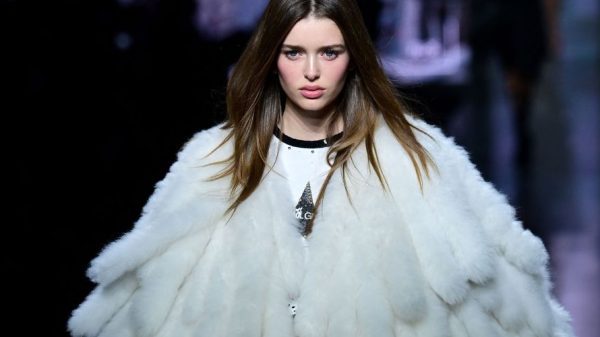
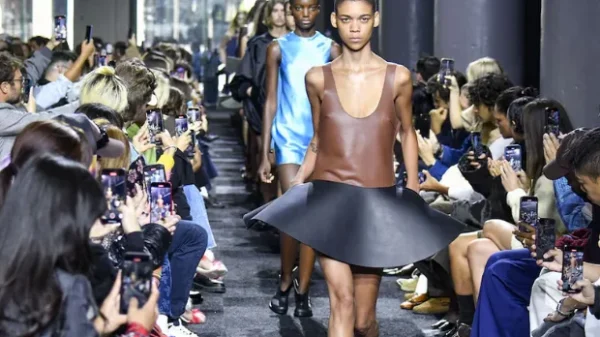
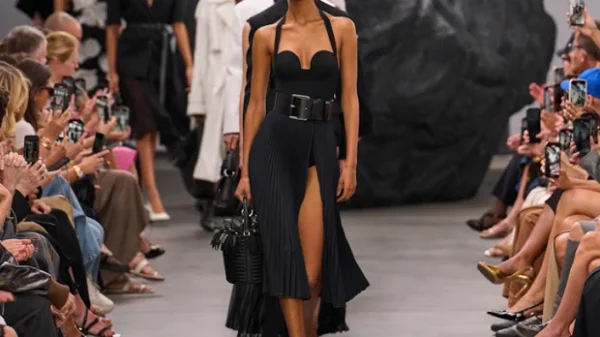















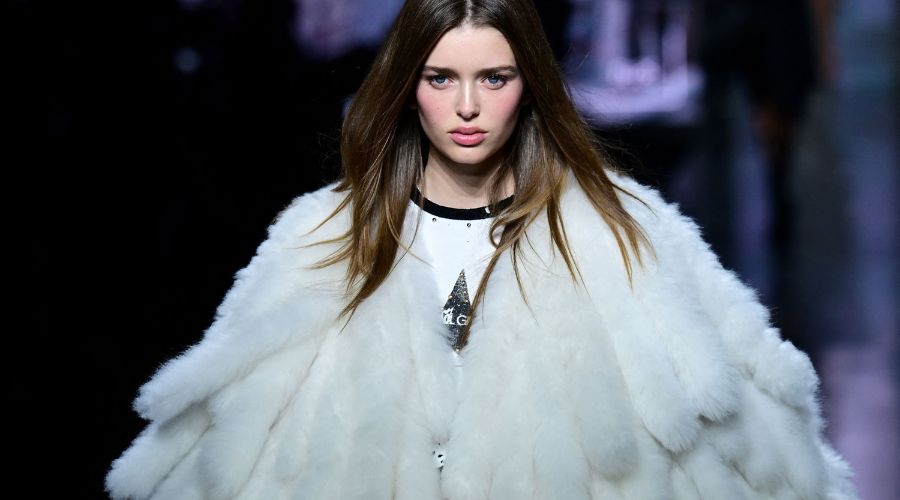
Milan Fashion Week is one of the most powerful and prestigious events in the global fashion calendar. Renowned for its luxury heritage, cutting-edge design, and unparalleled craftsmanship, Milan Fashion Week sets the tone for seasonal trends and defines the direction of high fashion worldwide. Twice a year, the world’s top designers, fashion editors, buyers, celebrities, and influencers descend on Milan to witness runway shows that blend tradition with innovation.
As part of the “Big Four” fashion weeks—alongside New York, London, and Paris—Milan Fashion Week holds a unique position. It is the epicenter of Italian fashion excellence, where iconic luxury houses unveil their latest collections and emerging designers gain international exposure. From opulent tailoring to experimental silhouettes, the event showcases the full spectrum of modern style.
This comprehensive guide explores everything you need to know about Milan Fashion Week, including its history, structure, designers, trends, cultural impact, and why it remains one of the most influential fashion events in the world.
What Is Milan Fashion Week?
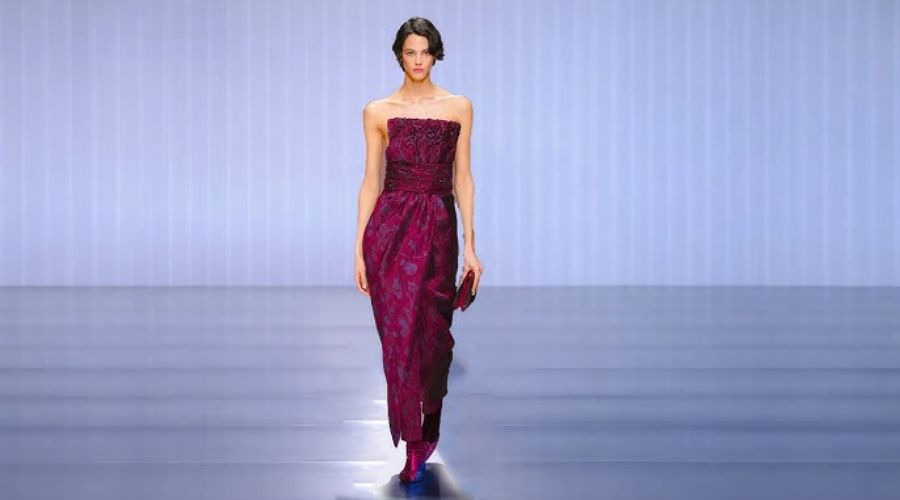
Milan Fashion Week is a biannual fashion event where designers present their upcoming collections for Spring/Summer and Fall/Winter seasons. Organized by the Camera Nazionale della Moda Italiana, the event serves as a global platform for Italian and international brands to debut their creative visions.
Why Milan Fashion Week Is So Important
- Home to the world’s most influential luxury fashion houses
- Focus on craftsmanship, tailoring, and premium materials
- Major trend-setting event for global fashion markets
- Strong commercial influence on retail and luxury buying
Unlike other fashion capitals that emphasize avant-garde or street style, Milan Fashion Week is synonymous with refined elegance, wearable luxury, and impeccable construction.
History and Evolution of Milan Fashion Week
Origins of Milan Fashion Week
Milan Fashion Week officially emerged in the late 1950s as Italy’s fashion industry gained international recognition. As Italian craftsmanship and textile production flourished, Milan replaced Florence as the country’s fashion capital, becoming the home of luxury ready-to-wear.
By the 1970s and 1980s, Milan Fashion Week had established itself as a dominant force in global fashion, thanks to the rise of iconic designers who reshaped modern luxury.
Growth Into a Global Fashion Powerhouse
Over the decades, Milan Fashion Week evolved into a must-attend industry event. Its shows are now livestreamed worldwide, covered extensively by global media, and followed closely by buyers who influence fashion retail across continents.
Milan Fashion Week Schedule and Structure
When Does Milan Fashion Week Take Place?
Milan Fashion Week occurs four times a year, divided into:
- Women’s Spring/Summer
- Men’s Spring/Summer
- Women’s Fall/Winter
- Men’s Fall/Winter
Each edition typically lasts about one week and features runway shows, presentations, private viewings, and exclusive fashion events.
Official Show Calendar
The official calendar of Milan Fashion Week includes:
- High-profile runway shows
- Digital presentations and livestreams
- Industry-only trade events
- Off-calendar and emerging designer showcases
This structure ensures that both established brands and new talents receive global attention.
Iconic Designers of Milan Fashion Week
Legendary Italian Fashion Houses
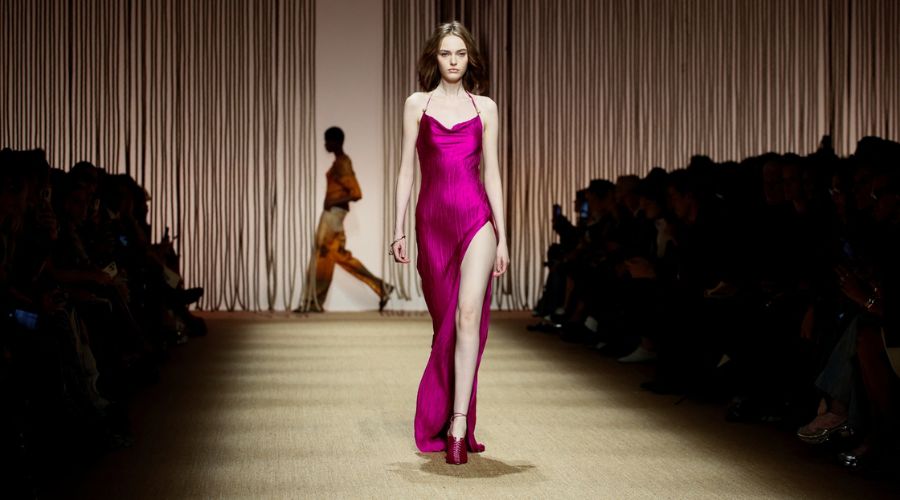
Milan Fashion Week is the stage where some of the most powerful luxury brands in the world present their collections, including:
- Gucci – Known for bold reinvention and maximalist design
- Prada – Celebrated for intellectual fashion and modern minimalism
- Versace – Iconic for glamour, bold prints, and sensual silhouettes
- Armani – Renowned for timeless elegance and tailored sophistication
These designers are central to the global reputation of Milan Fashion Week.
Emerging Designers and New Voices
Alongside heritage brands, Milan Fashion Week also highlights emerging designers who bring innovation, sustainability, and fresh perspectives to Italian fashion.
Milan Fashion Week Trends and Style Identity
Key Fashion Trends Debuting at Milan Fashion Week
Each season, Milan Fashion Week introduces trends that influence global fashion, including:
- Luxurious tailoring and structured silhouettes
- Elevated minimalism with premium fabrics
- Experimental textures and innovative materials
- Bold color palettes balanced with classic neutrals
Unlike trend-driven hype, styles presented at Milan Fashion Week often focus on longevity and craftsmanship.
Craftsmanship and Italian Excellence
What truly sets Milan Fashion Week apart is its emphasis on artisanal skill. Italian designers prioritize fabric quality, precision tailoring, and attention to detail—values deeply rooted in the country’s fashion heritage.
Milan Fashion Week and Global Fashion Influence
Impact on the Luxury Market
Collections debuted at Milan Fashion Week directly influence luxury retail trends, buyer decisions, and consumer demand worldwide. Major fashion houses use the event to define brand direction for the entire season.
Media and Celebrity Presence
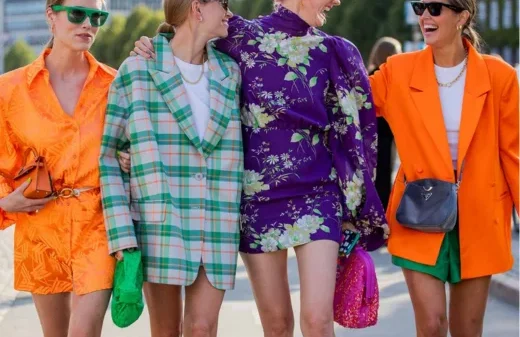
Global celebrities, fashion editors, and influencers attend Milan Fashion Week, amplifying its reach across digital platforms. Street style from Milan often becomes as influential as the runway collections themselves.
Men’s Fashion at Milan Fashion Week
Milan Fashion Week Men’s Collections
Milan is widely considered the world capital of men’s fashion. Milan Fashion Week Men’s showcases cutting-edge menswear, blending classic tailoring with modern aesthetics.
Key highlights include:
- Sharp suiting and formalwear evolution
- Luxury casualwear and knitwear
- Innovative reinterpretations of traditional menswear
Many of the world’s leading menswear trends originate at Milan Fashion Week.
Sustainability at Milan Fashion Week
Ethical and Sustainable Fashion Initiatives
In recent years, Milan Fashion Week has increasingly emphasized sustainability. Designers and organizers promote:
- Eco-friendly materials
- Responsible production methods
- Circular fashion initiatives
- Transparency in supply chains
These efforts reflect the fashion industry’s shift toward more ethical and sustainable practices.
How to Experience Milan Fashion Week
Attending Milan Fashion Week
Most runway shows are invitation-only, reserved for industry professionals, media, and buyers. However, Milan Fashion Week can still be experienced through:
- Livestreamed runway shows
- Digital fashion platforms
- Public exhibitions and citywide fashion events
Following Milan Fashion Week Online
Fashion enthusiasts worldwide can follow Milan Fashion Week through social media, fashion publications, and official livestreams, making the event accessible beyond Milan itself.
Why Milan Fashion Week Matters in the Fashion World
A Benchmark for Luxury Fashion
Milan Fashion Week serves as a benchmark for quality, elegance, and innovation. Designers debut collections that define luxury standards for seasons to come.
Cultural and Economic Impact
Beyond fashion, Milan Fashion Week contributes significantly to the city’s economy and cultural identity, reinforcing Milan’s status as a global fashion capital.
Conclusion: The Enduring Power of Milan Fashion Week
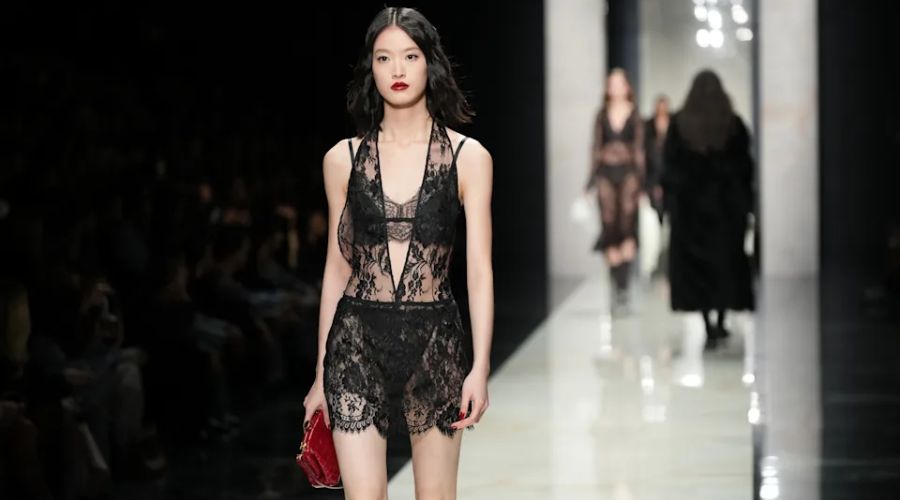
Milan Fashion Week remains one of the most influential and respected events in global fashion. Its ability to balance heritage with innovation, craftsmanship with creativity, ensures its continued relevance in an ever-evolving industry. From legendary fashion houses to emerging designers, the event represents the very essence of Italian style.
As trends come and go, Milan Fashion Week continues to define what luxury fashion means on a global scale. For designers, it is a platform of prestige. For buyers, a source of direction. And for fashion lovers, it is an enduring celebration of style, artistry, and excellence.
FAQs About Milan Fashion Week
su_accordion]
[/su_accordion]






 English
  한국어
한국어  Deutsch