


























































From unexpected Senate victories to widespread concern about the cost of living, the November elections have dramatically altered America’s political landscape.
Every midterm election presents Americans with an opportunity to judge the direction of their government. Some produce relatively modest changes; others transform the balance of power in Washington.
The 2026 midterm elections belong firmly in the second category. On November 3, voters delivered a sweeping victory to Democrats, ending Republican control of both the House of Representatives and the Senate. The results represented a major setback for President Donald Trump and his party less than two years after Republicans celebrated their return to unified control of the federal government.
Beyond which party won, economic frustration, concerns about the country’s direction, shifting voter coalitions, and competitive races in traditionally Republican states all contributed to an unusually consequential election—raising a defining question for the next two years: what happens when a president enters the second half of his term facing a Congress controlled by the opposition?
A Midterm Election That Defied Expectations
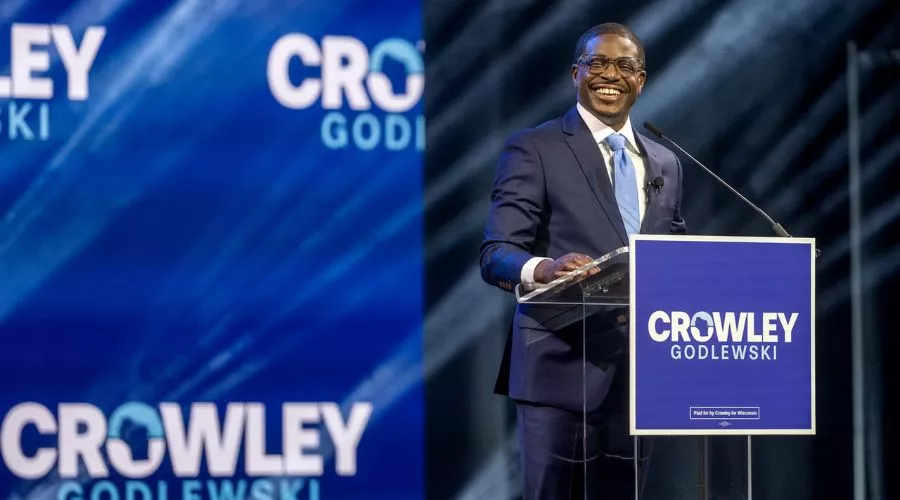
A Midterm Election That Defied Expectations
American midterm elections frequently create difficulties for the party occupying the White House. Presidents often enter office with ambitious agendas, only to discover that governing produces compromises, frustrations, and disappointed expectations—leaving voters ready to deliver a warning two years later.
Even by historical standards, the scale of the 2026 result was striking:
- Full Congressional Flip: Democrats gained control of both the House and Senate, giving them the power to shape legislative priorities and conduct oversight of the Trump administration.
- Historic Senate Gains: According to Associated Press reporting, Democrats flipped nine Republican-held Senate seats—their largest such gain in almost seven decades.
- Broad Geographic Reach: Victories extended beyond familiar battlegrounds into states where Republicans had long held structural advantages, signaling nationwide dissatisfaction rather than isolated local upsets.
For both parties, the outcome creates a new political reality. Democrats must now translate electoral momentum into a coherent governing strategy, while Republicans face difficult questions about why their coalition struggled to hold together.
The Cost of Living Became a Defining Issue
Political campaigns often devote enormous attention to personalities, slogans, and dramatic public disagreements, yet for many voters the core question was far simpler: can they afford the standard of living they want?
Throughout the 2026 cycle, economic anxiety emerged as a central concern as households continued facing pressure from everyday expenses—including food, housing, and energy. When families are managing mortgages, rent payments, and grocery bills, broad macroeconomic indicators do not always match lived reality, creating a dangerous political disconnect for an incumbent party.
Associated Press voter research highlighted several key dynamics behind the results:
- Widespread Economic Dissatisfaction: Voters expressed deep frustration with the state of the economy and the everyday cost of living.
- Shifts in Voter Trust: Survey respondents were more inclined to trust Democrats than Republicans on key economic and government-accountability questions.
- Overlapping Motivations: While inflation and household costs formed a common thread across competitive races, voters also cited concerns over democratic institutions, immigration, government power, and the administration’s broader direction.
Why the Senate Results Were So Remarkable
The Senate is typically harder to flip than the House because only one-third of its seats are contested in a given cycle, and statewide races reflect local political dynamics that can diverge sharply from national trends. That makes a nine-seat partisan swing especially notable.
Democratic pickups included competitive races in states often viewed as difficult territory in recent cycles:
- North Carolina
- Ohio
- Iowa
- Kansas
- Texas
Winning across that map required more than turning out core Democratic voters—it demanded attracting independents, persuading former Republican supporters, and capitalizing on weaker-than-expected GOP performance.
Still, a single midterm wave does not guarantee a permanent realignment. Candidate quality, turnout, local conditions, and national sentiment shift between midterm and presidential cycles. Democrats must now figure out which parts of their 2026 coalition are durable, while Republicans work to diagnose where and why key voters drifted away.
What the Election Means for Donald Trump
President Trump’s political career has repeatedly demonstrated his ability to command national attention and maintain a loyal base of supporters. While the 2026 midterms do not erase that influence, they fundamentally reshape the environment in which he must govern:
| Governing Area | Unified GOP Control (2025–2026) | Divided Government (Starting Jan. 2027) |
| Legislative Agenda | Friendly majorities advance administration priorities | Democratic leaders set floor schedules and block partisan bills |
| Executive Oversight | Limited congressional scrutiny of administration actions | Democratic-led committees gain subpoena and investigative power |
| Appointments & Budgets | Streamlined confirmation and budget negotiations | Heightened confirmation friction and contentious spending battles |
| Presidential Leverage | Direct alignment between White House and Capitol Hill | Presidential veto remains a decisive check on Democratic bills |
Because Trump retains the presidential veto, Democrats cannot govern unilaterally. Major legislation on spending, taxes, trade, and immigration will require cross-party negotiation—setting the stage for either selective compromise or prolonged gridlock.
Trump’s Tariffs Could Become a Major Congressional Test
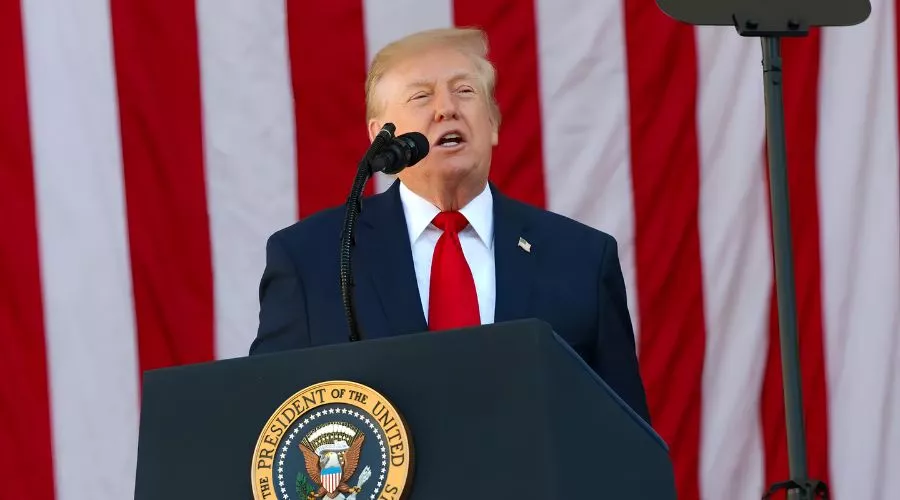
Trump’s Tariffs Could Become a Major Congressional Test
Trade policy is poised to become one of the earliest flashpoints between the new Congress and the White House. Tariffs have been a centerpiece of Trump’s economic strategy, framed by the administration as a tool to protect domestic industries and strengthen U.S. negotiating leverage, while critics argue import duties raise costs for businesses and consumers.
As cost-of-living pressures dominated the campaign, tariffs became a focal point of voter scrutiny. According to Associated Press voter research, roughly two-thirds of surveyed voters believed Trump’s tariffs had harmed either the national economy or their local economy.
Even with strong public skepticism, altering tariff policy will be legally and politically complex:
- Executive trade authorities give the president broad unilateral discretion.
- Any congressional effort to repeal tariffs or restrict executive trade powers would likely face a presidential veto.
- Meaningful legislative action would require support from Republicans who share concerns about the economic impact of the administration’s trade policies.
Democrats Won Big, but Their Next Challenge Is Just Beginning
A sweeping election victory can unite a political party temporarily, but governing quickly exposes internal divisions. The incoming Democratic majority brings together moderates, progressives, and lawmakers representing vastly different state electorates.
- Competing Strategic Instincts: Some members favor an aggressive, confrontational posture toward the Trump administration, while others emphasize economic credibility and pragmatic, bipartisan legislation.
- Coalition Balancing: Both progressive candidates and moderate swing-district winners contributed to the 2026 wave—meaning leaning too far toward one faction risks alienating vital parts of the coalition.
- Looking Ahead to 2028: A successful midterm message centered on dissatisfaction with the party in power does not automatically translate into a winning presidential platform. Democrats must articulate a clear, forward-looking economic agenda beyond opposition to Trump.
What Happens When Congress Changes Hands?
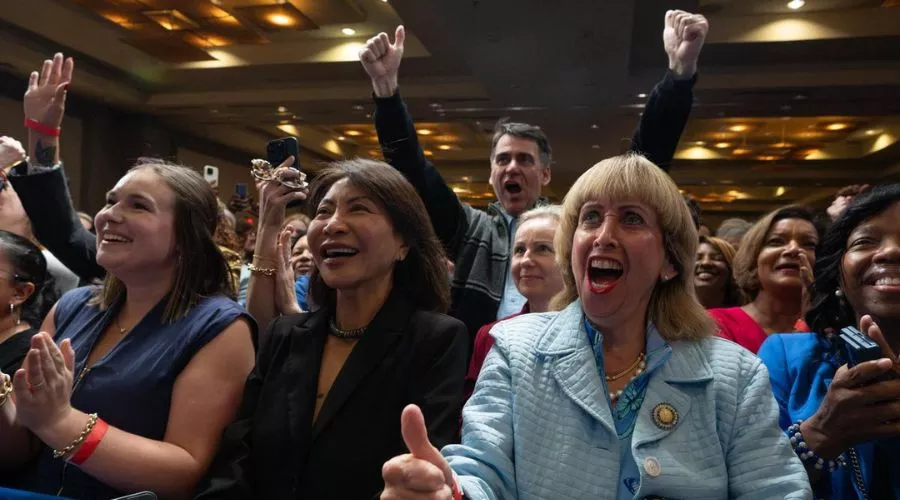
What Happens When Congress Changes Hands?
While the political shockwaves are immediate, government control does not shift overnight. The newly elected Congress takes office in January 2027, leaving the outgoing Congress in place through the end of the lame-duck session.
Once the new session begins, several practical shifts follow:
- Committee Leadership & Oversight: Democrats assume chairmanships across House and Senate committees, reshaping legislative calendars and launching oversight inquiries into executive decisions and appointments.
- Budget & Spending Battles: Must-pass funding bills and debt ceiling negotiations become primary arenas of leverage between the White House and congressional leaders.
- Selective Bipartisanship: Divided government can still yield bipartisan deals when political incentives align or urgent national challenges demand action.
A Political Turning Point, Not the End of the Story
The 2026 midterm elections have delivered one of the most consequential shifts in recent American politics. Democrats reclaimed both chambers of Congress, Republicans absorbed steep losses, and voters sent an unmistakable message of dissatisfaction with the political and economic status quo.
Yet elections do not settle political debates—they reset the terms under which those debates play out. For President Trump, the next two years will require navigating a far more skeptical Capitol Hill. For Democrats, winning majorities brings the responsibility to prove what they can deliver. Ultimately, voters will judge this political turning point by whether it produces tangible improvements in their everyday lives.